01 / 03
From Tubular Steel to Concrete: The Metamorphosis of a Bauhaus Polymath
The starting point of Marcel Breuer’s life (1902–1981) was remarkably dramatic: at 18 he won a scholarship to the Vienna Academy of Fine Arts, but withdrew after just a few weeks upon realizing it was a conservative institution. He went to work in a carpentry workshop instead, then applied directly to the Bauhaus — where he became one of Gropius’s youngest students and soon one of the Bauhaus’s youngest “Masters,” in charge of the furniture workshop. This spirit of rebelling against institutions and working with his own hands defined his entire life.
Breuer’s first world-class achievement was in furniture design. In 1925, at only 23, he designed the Wassily Club Chair (originally called Model B3, after his initials). The legend goes that the inspiration came from the Adler tubular steel frame of his bicycle — that combination of lightness, strength, and industrial aesthetics made him immediately realize that tubular steel could replace bent wood as the fundamental language of modern furniture. The Wassily Chair is not only one of the most iconic chairs of the 20th century; it also marked the formal entry of industrial materials into the aesthetic domain of everyday life.
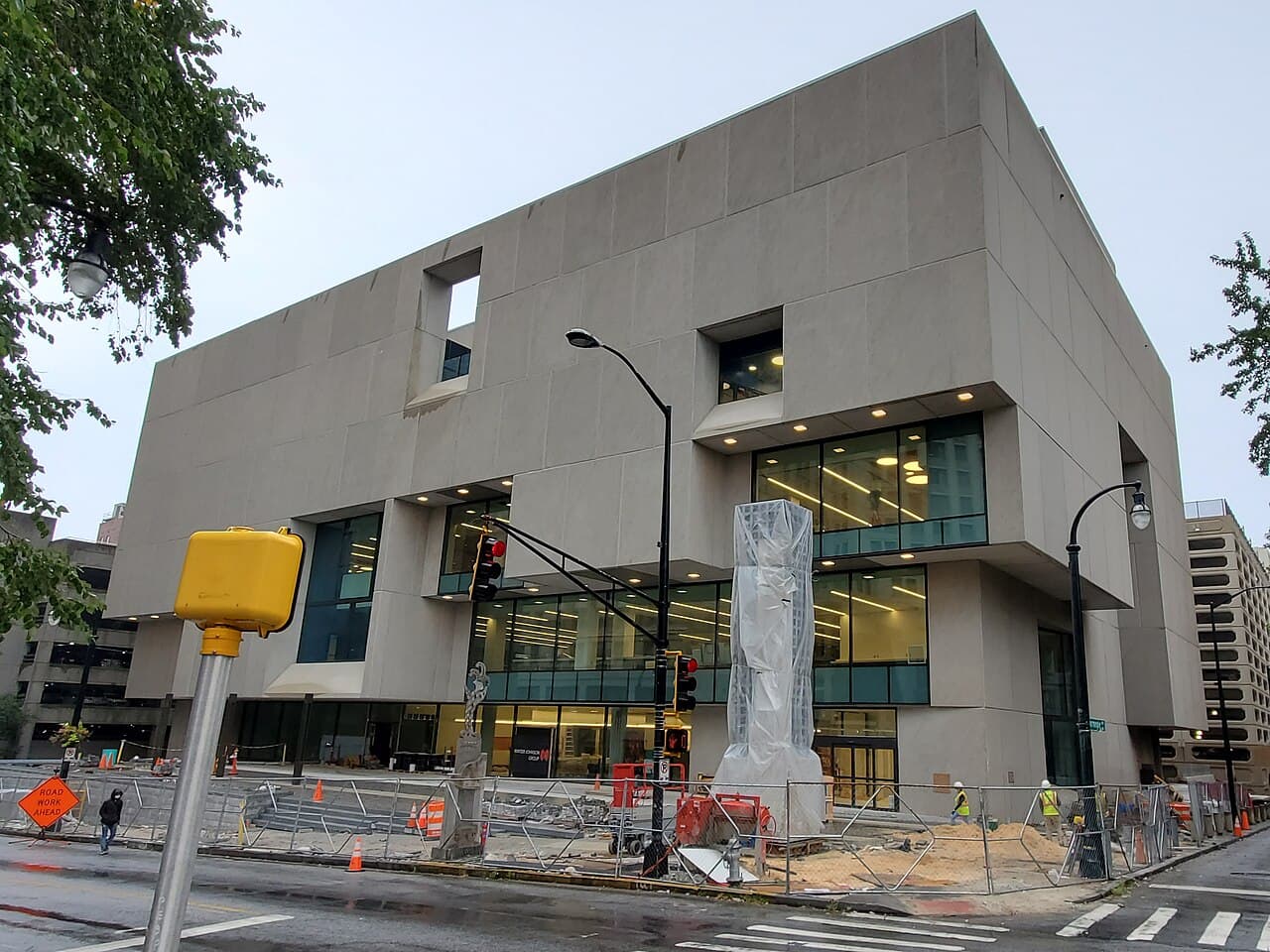
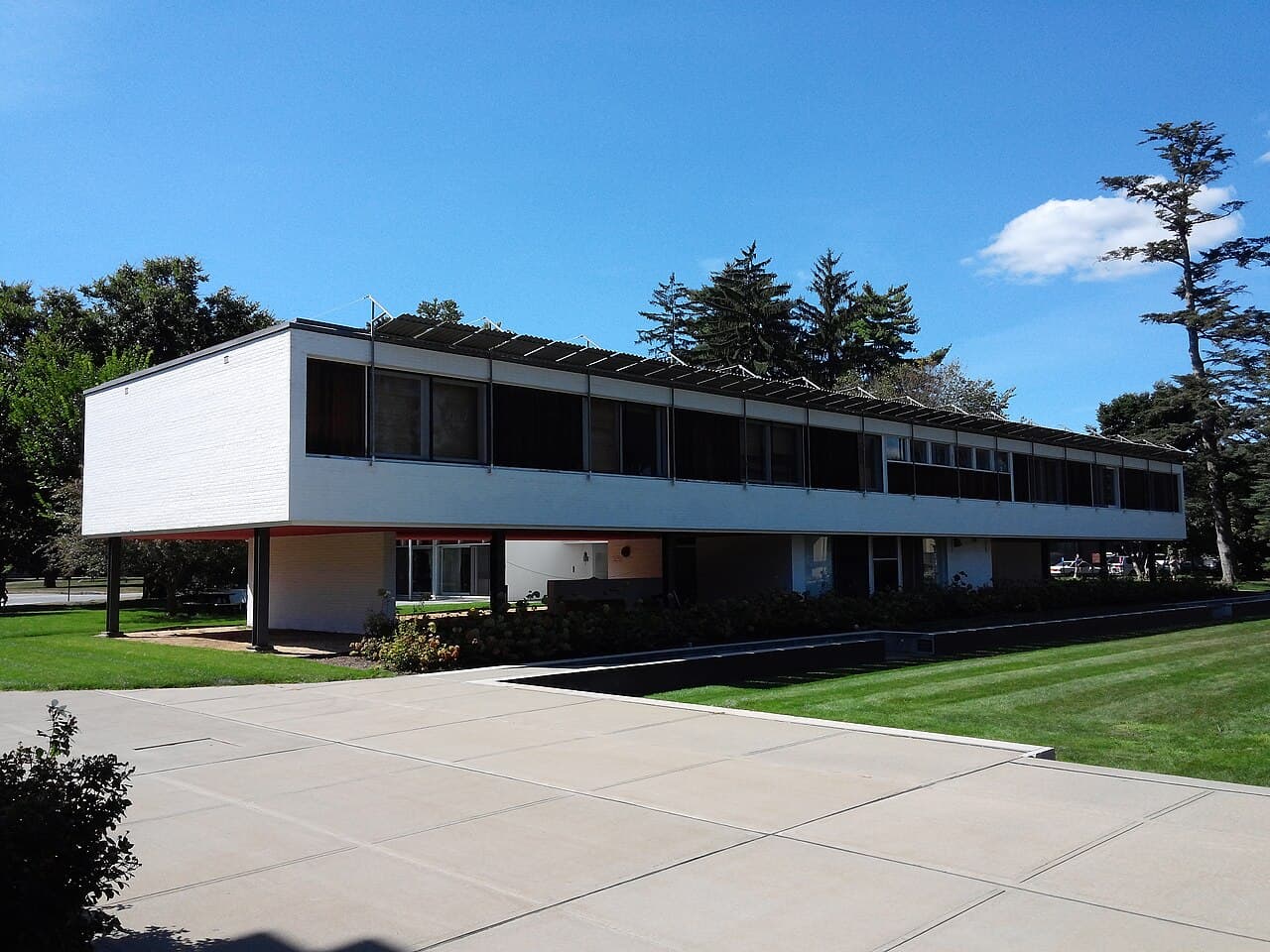
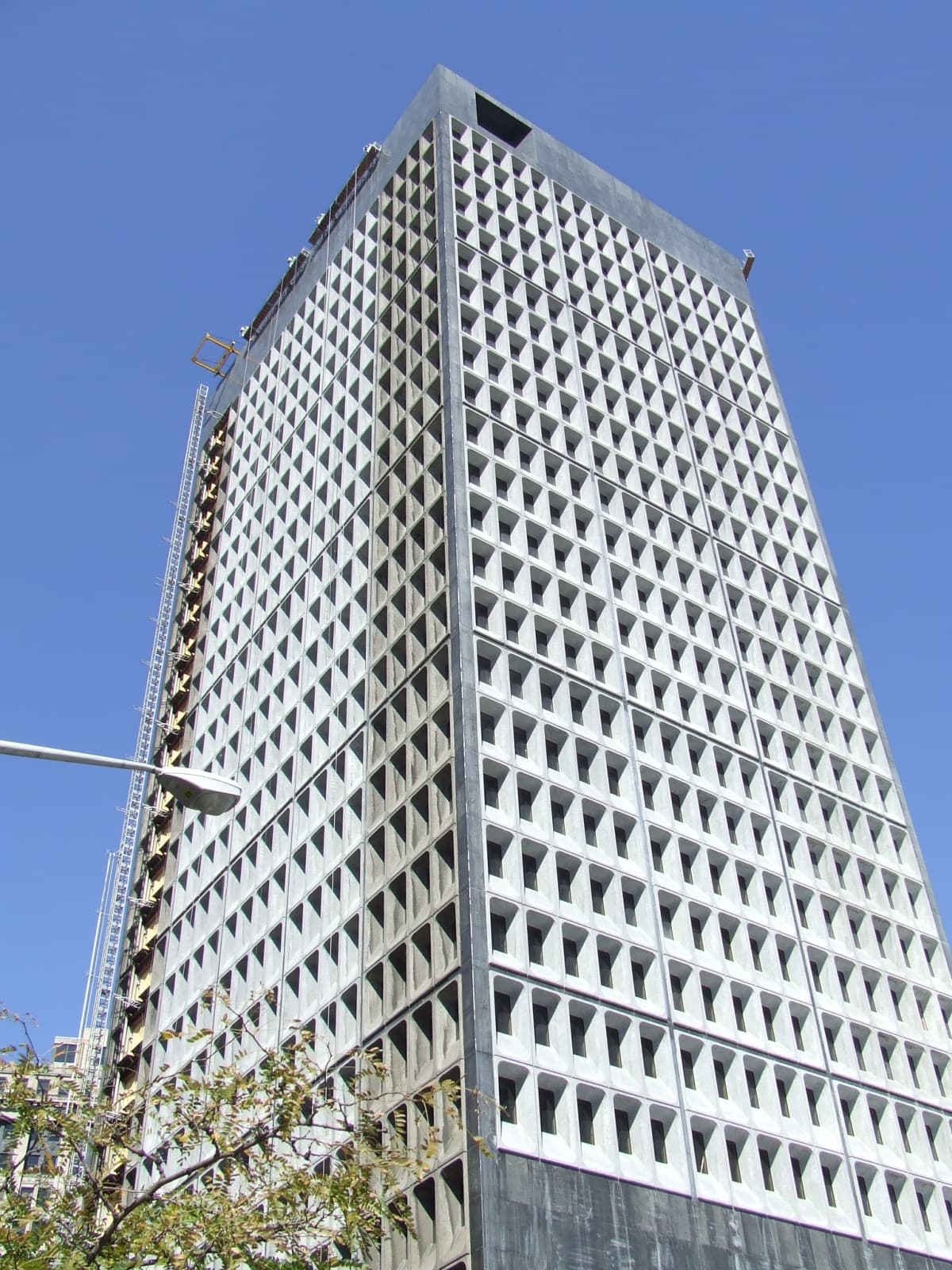
But Breuer was not content to remain merely a furniture designer. In the 1930s he shifted his focus to architecture, working in Gropius’s office, teaching at Harvard (his students included Philip Johnson and Paul Rudolph), and launching his independent architectural practice. His architectural language underwent a fundamental transition: from the white-walled steel frames influenced by the early International Style, he moved progressively toward sculptural, weighty concrete forms — which ultimately made him one of the most important representatives of Brutalism.