01 / 03
Uruguay’s Masonry Poet: An Architecture of the Possible
Eladio Dieste was born in Artigas, Uruguay in 1917 and graduated from the University of the Republic’s Faculty of Engineering in Montevideo in 1943. His career unfolded entirely within Uruguay — a small South American nation with neither the high-tech resources of developed countries nor big-project budgets. But precisely this “scarcity” catalyzed Dieste’s creativity: he had to use the cheapest local material (brick) and the most ordinary labor (local masons) to create extraordinary spaces.
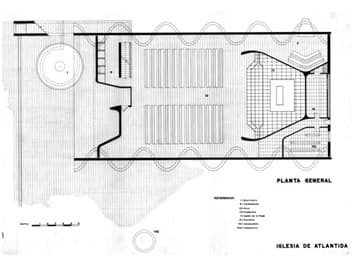
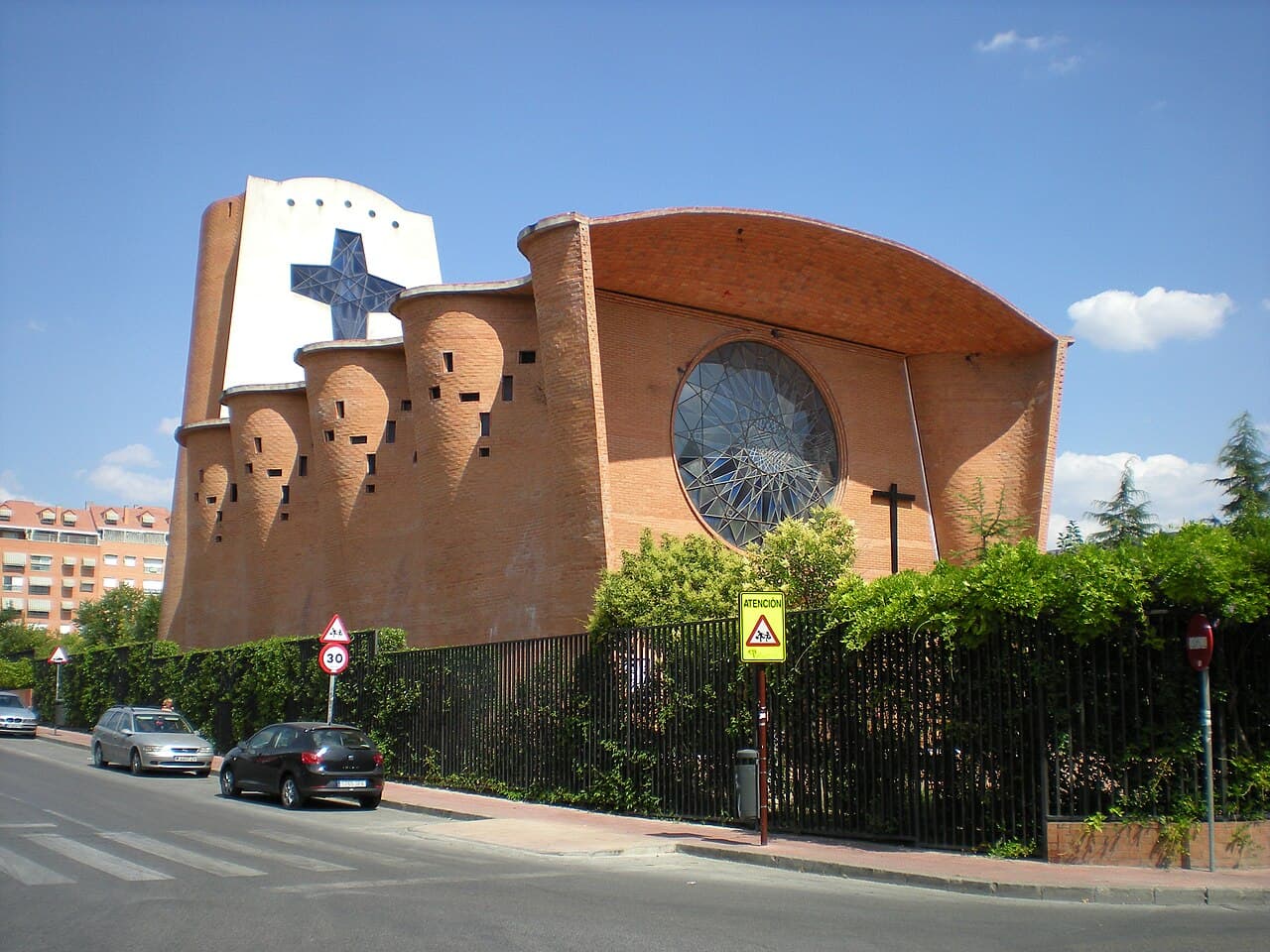
Dieste’s core innovation lay in “reinforced ceramic”: embedding thin steel bars within brick masonry, transforming brick from a purely compressive material into one capable of resisting bending and tension. Combined with his unique shape designs — Gaussian vaults (double-curvature thin shells), self-supporting arch walls (self-balancing extra-long brick walls), and undulating roofs — he realized a series of structurally astonishing and elegant industrial buildings, churches, and markets.
From the 1960s through the 1990s, Dieste designed and built over 200 buildings, almost all in Uruguay. These works never appeared on the covers of mainstream architecture magazines, but everyone who has visited them in person has been awed by their power. He was not a “starchitect” pursuing self-expression — he was an engineer, a problem-solving craftsman, someone who believed that “the order of the universe can manifest from the order of bricks.”