Archistory
HomeArchiveTime
Search
中文EN日本語

Archive

ArchitectsBuildingsTime

Periods

Classical EraMedievalRenaissanceBaroqueNeoclassicalIndustrial Revolution

Styles

Classical ArchitectureRenaissance ArchitecturePalladianismBaroque ArchitectureEnglish BaroqueMannerism

Search

Search architects or buildings...

Archistory © 2026
Archistory

Home/Architects/Arne Jacobsen

Arne Jacobsen

Portrait of Arne Jacobsen, 1934

Portrait of Arne Jacobsen, 1934

Unknown · Public Domain · Source

Arne Jacobsen (1902–1971) is the most representative figure of Danish modernism — not only as an architect but as a designer. He believed in the Gesamtkunstwerk (total work of art): a building should have every detail — from door handle to sofa, from cutlery to ceiling — designed by the same hand. This obsession reached its extreme in his most famous work, the SAS Royal Hotel in Copenhagen (1960), for which he designed every piece of furniture (including the iconic Egg and Swan chairs), textiles, lamps, and even ashtrays. His buildings grow from rigorous modernist grids but avoid modernism's coldness through material warmth and proportion's elegance.

Life span1902 – 1971Nationality / RegionKingdom of Denmark
Portrait of Arne Jacobsen, 1934

Portrait of Arne Jacobsen, 1934

Unknown · Public Domain · Source

Ideas

01

Total design — architecture is not a shell but a continuous whole from structure to the finest detail. A good building should be like "a world of its own"

02

Balance of minimalism and warmth — subtractive aesthetics are not the goal but the means of making light, material, and human presence the protagonists of space

03

Humanizing modernism — industrial precision need not sacrifice human comfort. Danish modern proves: factories can produce warmth

04

The architect as designer — chairs, lamps, cutlery are not appendages to architecture but extensions of architectural thinking. An architect's thought can cross scales

Architect dossier

03

01 / 03

Total design: From door handle to city

Jacobsen's "total design" philosophy reached its most extreme expression in the SAS Royal Hotel in Copenhagen (1956–1960). He not only designed the 22-story glass-curtain-wall building — Denmark's first skyscraper — but every object inside it. The Egg Chair (1958) and Swan Chair (1958) were born for this project. The Egg Chair's organic curved shell provides a semi-enclosed private space, creating an "architecture within architecture" in the open hotel lobby.

But this total control is not control-freakery — Jacobsen believed in the power of consistency. When the tension between the building's exterior (precise aluminum and glass grid) and interior (warm, organic furniture forms) is orchestrated by the same mind, a special harmony emerges. The fabric patterns in guest rooms, the rhythm of corridor lighting, the curve of the reception desk — all these elements form an indivisible whole. Even today, entering Room 606 of the SAS Royal Hotel (the only room preserving the original design), you can still feel the completeness of 1960s Danish modernism.

Jacobsen applied the same principle to smaller projects. The Søholm Row Houses (1946–1950) demonstrate total design at residential scale: three rows of terraced yellow-brick houses face the Øresund strait, each unit's window openings, interior staircases, and garden walls precisely designed as a whole, yet nuanced variations prevent monotony. This "diversity within unity" became a classic model for Danish modern housing design.
02 / 03

Danish modernism: City Hall and the National Bank

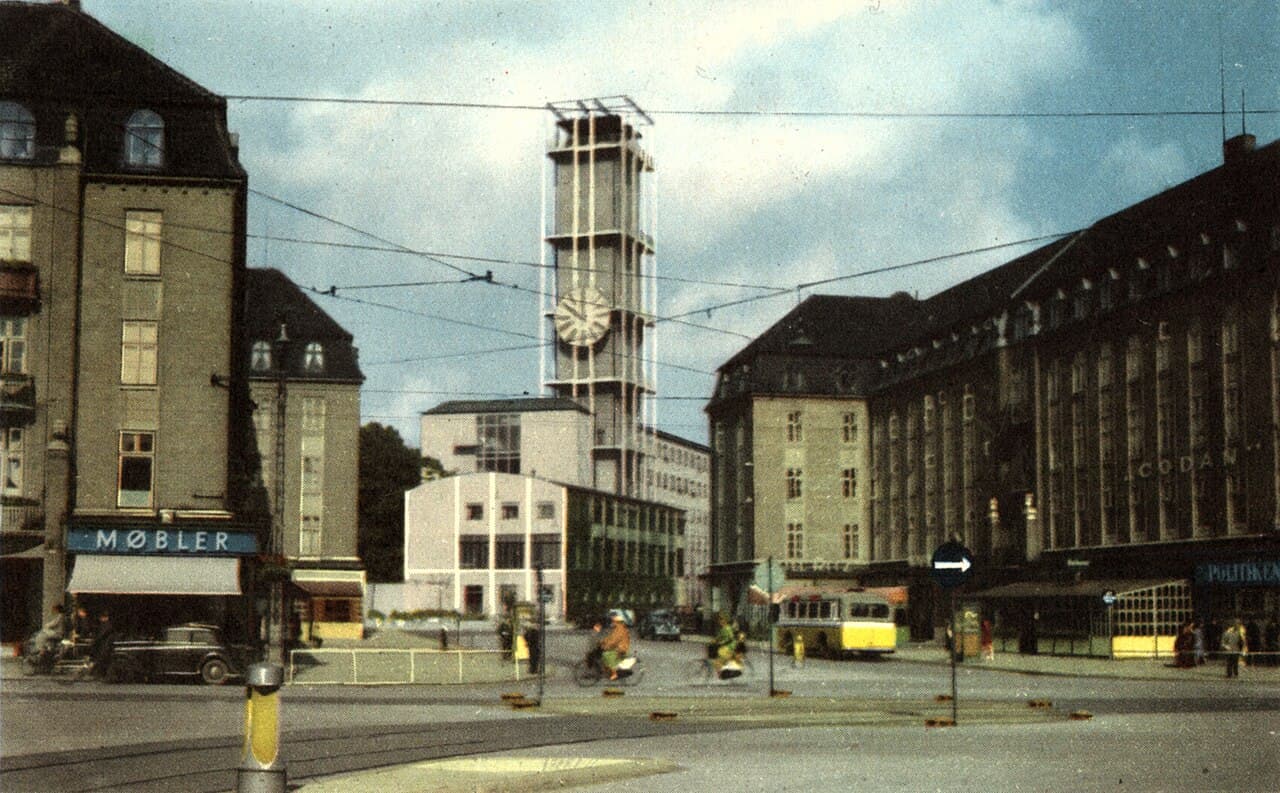
Aarhus City Hall (1941, in collaboration with Erik Møller) is Jacobsen's most important early public building. In Nazi-occupied Denmark, the building maintains modernist clarity while subtly referencing Danish tradition: dark marble-paneled exterior walls evoke Nordic castle traditions, while the clock tower's austere white volume is unmistakably a modernist statement. Completed during war, its very existence was a form of civilized resistance — it proved that another modernity was possible: not fascist monumental classicism, not cold machine aesthetics, but a democratic, humane, place-rooted modernity.

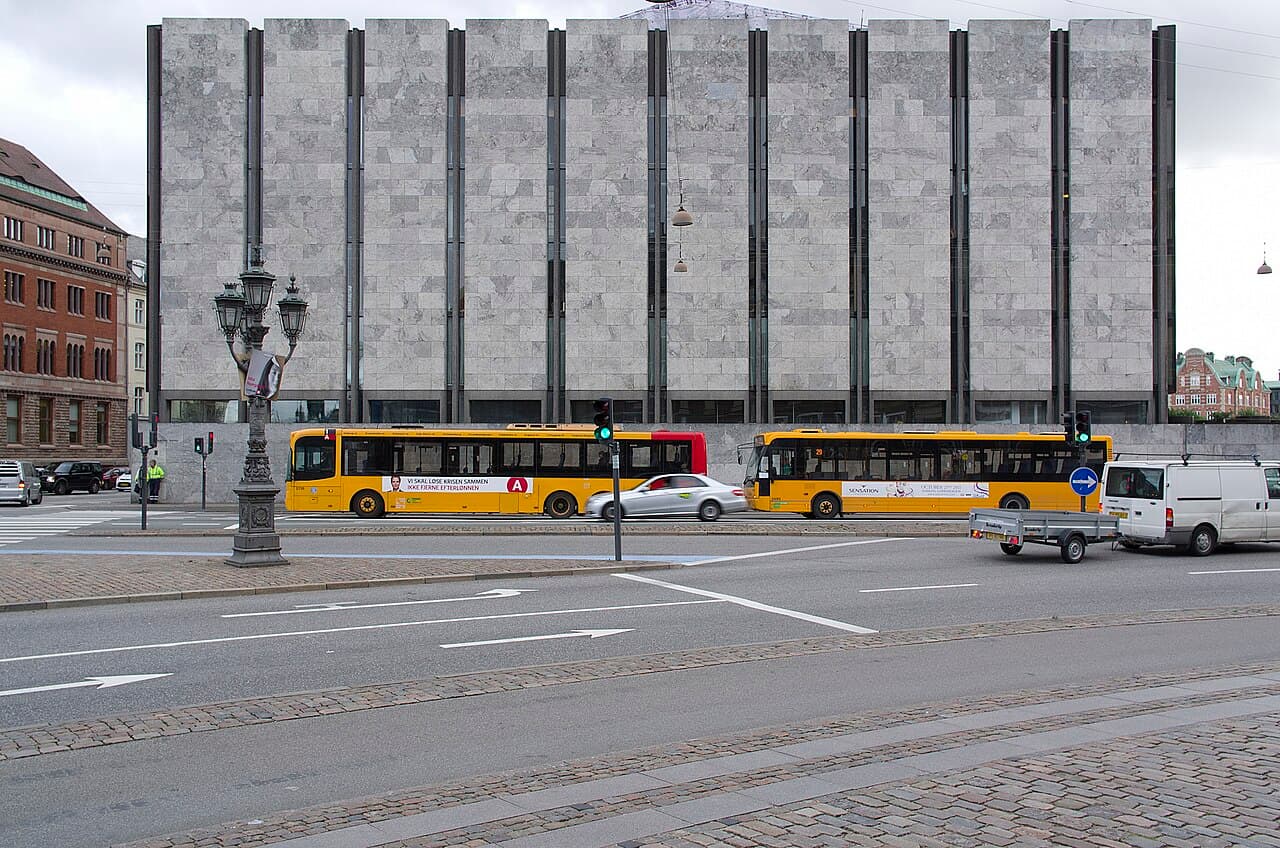
The Danish National Bank (completed 1978, seven years after Jacobsen's death) is his final urban-scale work. On a canal in Copenhagen's historic center, Jacobsen designed this building with unprecedented restraint: flat Norwegian marble facades carry almost no ornament, only precise vertical stone joints generating micro-rhythms in light and shadow. The interior unfolds along a spectacular central axis — a 20-meter atrium brings daylight into the underground trading floor, and visitors ascending layered staircases experience a temple-like ritual. The building simultaneously suggests the sacred and the profane of banking: money can be a kind of faith, but it occurs in bright, rational space.

03 / 03

Factory-made poetry: Jacobsen's chairs

If Jacobsen's architectural output is substantial (over fifty buildings), his industrial-design output is even more staggering. The Egg Chair, Swan Chair, Ant Chair (1952), Series 7 (1955) — these names form the core vocabulary of modern design. The Ant Chair, designed for the staff canteen of Novo Nordisk pharmaceutical company, consists of nine plywood pieces and a single steel-tube base, extremely lightweight and stackable. Still in production, over five million have been sold worldwide — perhaps one of modern design's most democratic objects.

Jacobsen's industrial design is not subordinate to his architecture — it is the same thought unfolding at a different scale. The tension between the Egg Chair's organic curves and the SAS Hotel facade's precise grid is the core dialectic of Danish modern: precision and softness, industry and craft, reason and the body. A Jacobsen chair is both sculpture and tool — it supports the human body, adapts to posture, remains comfortable through long hours of sitting. This attention to bodily sensation — touch, weight, temperature — lifts his designs beyond style into an enduring everyday quality.

Jacobsen died in Copenhagen in 1971 at age 69. For most of his life he was a controversial figure: on one hand celebrated as the standard-bearer of Nordic modernism, on the other criticized for his total-control approach. But looking back half a century later, his "total design" was not an expression of control-freakery but a now-lost architectural virtue: in an increasingly fragmented world, there was still an architect who believed the world could be whole — that from a spoon to a national bank, it could be shaped by the same hands, the same sensibility.

Sections

  1. 01Total design: From door handle to city
  2. 02Danish modernism: City Hall and the National Bank
  3. 03Factory-made poetry: Jacobsen's chairs

Reading the works

Aarhus City Hall

Aarhus City Hall

1941

A wartime declaration of democracy, where marble facades and a white clock tower unite Nordic tradition with modern form.

Aarhus City Hall→
Danish National Bank

Danish National Bank

1978

Reduced marble facades and a spectacular atrium, transforming banking solemnity into an experience of light and space.

Danish National Bank→
Søholm Row Houses

Søholm Row Houses

Terraced yellow-brick houses facing the sea — variation within unity, defining the aesthetic of Danish modern housing.

Søholm Row Houses→

Sources

  • Encyclopaedia Britannica: Arne Jacobsen
  • Danish Architecture Center: Arne Jacobsen
  • Wikidata: Arne Jacobsen
  • Fritz Hansen: The Egg Chair

Works

20 buildings

1930Rothenborg House
1931Arne Jacobsen’s own house in Charlottenlund
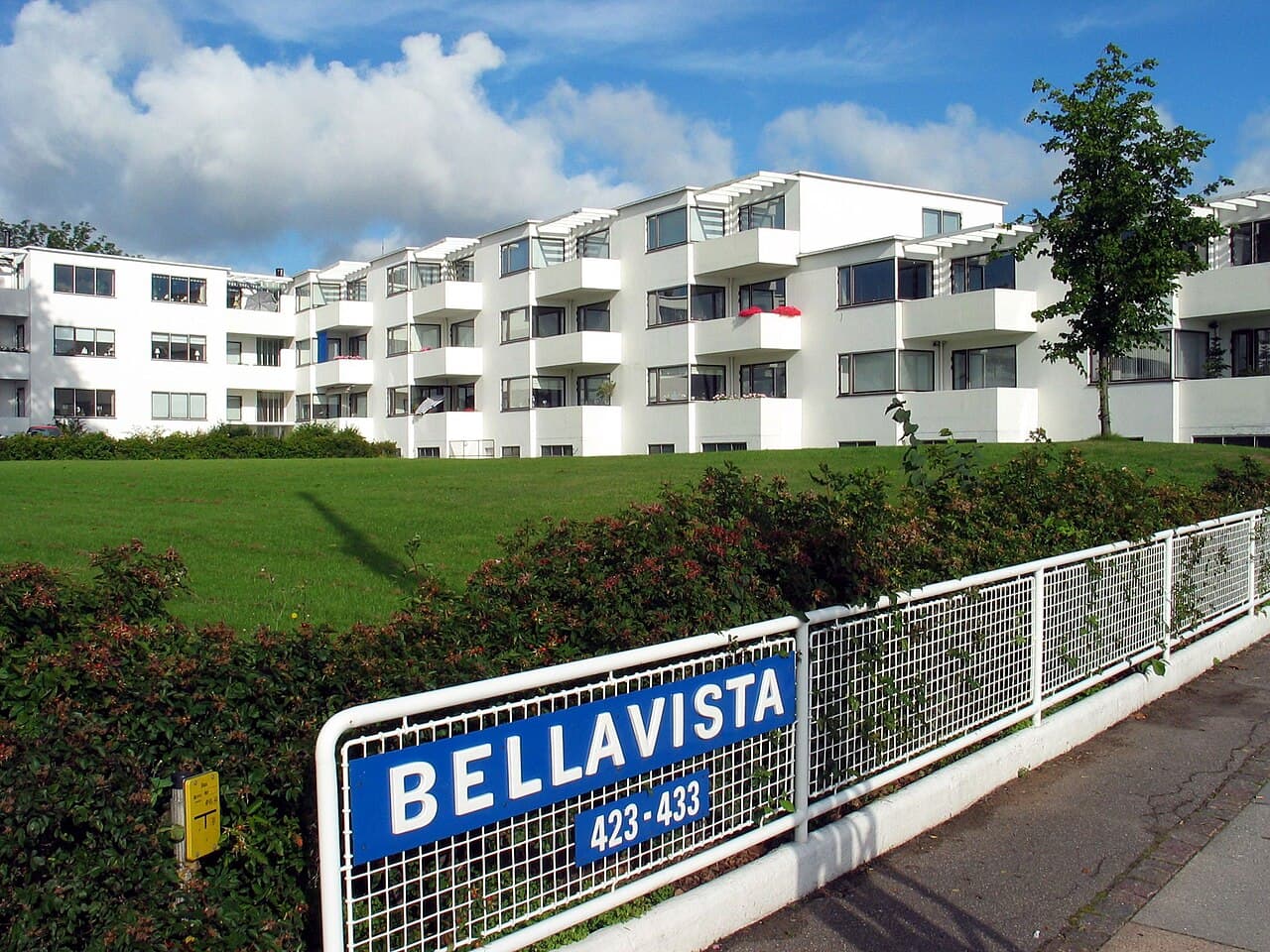
1934Bellavista housing estate
1936Skovshoved Petrol Station
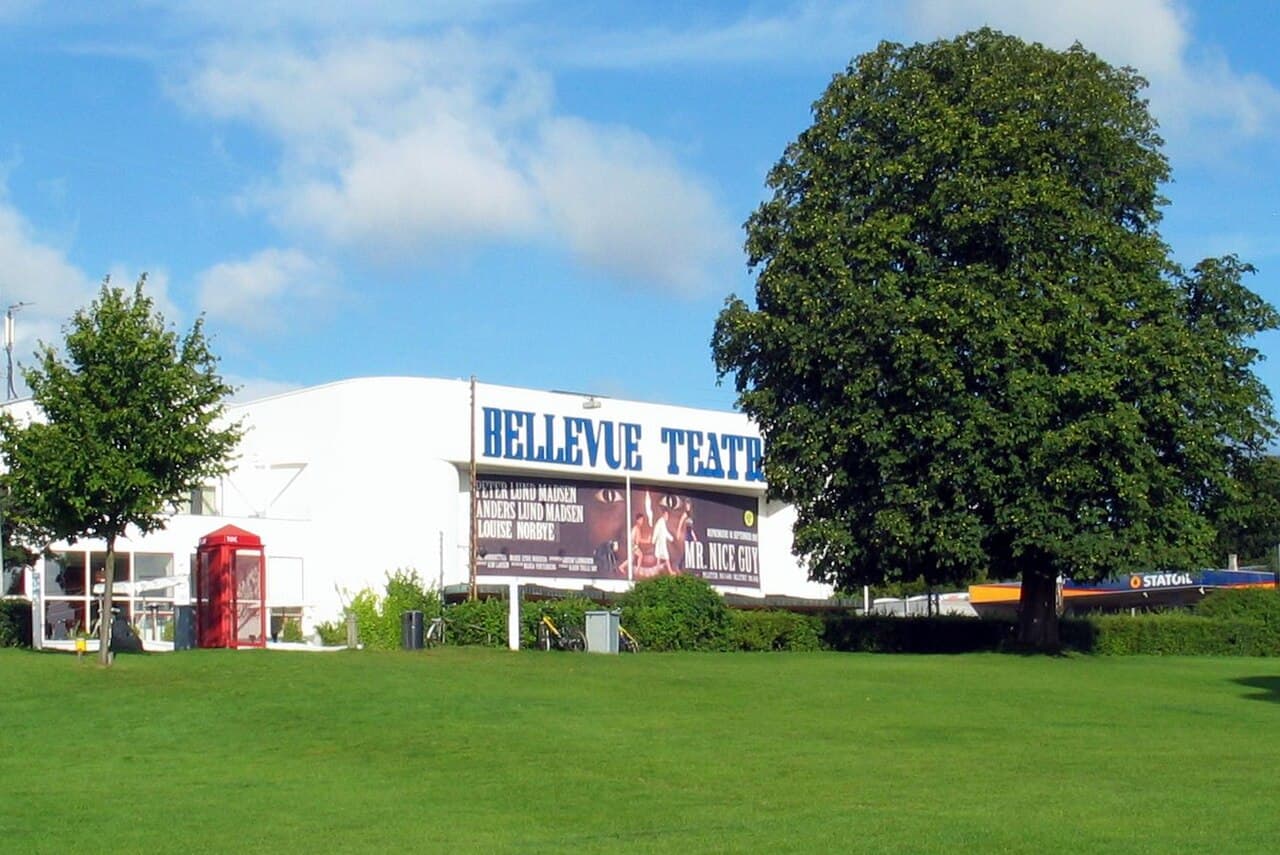
1936Bellevue Teatret
1937Stelling House
1941Aarhus City Hall
1942Rudersdal Town Hall
1956Rødovre Town Hall
1957Munkegaard School
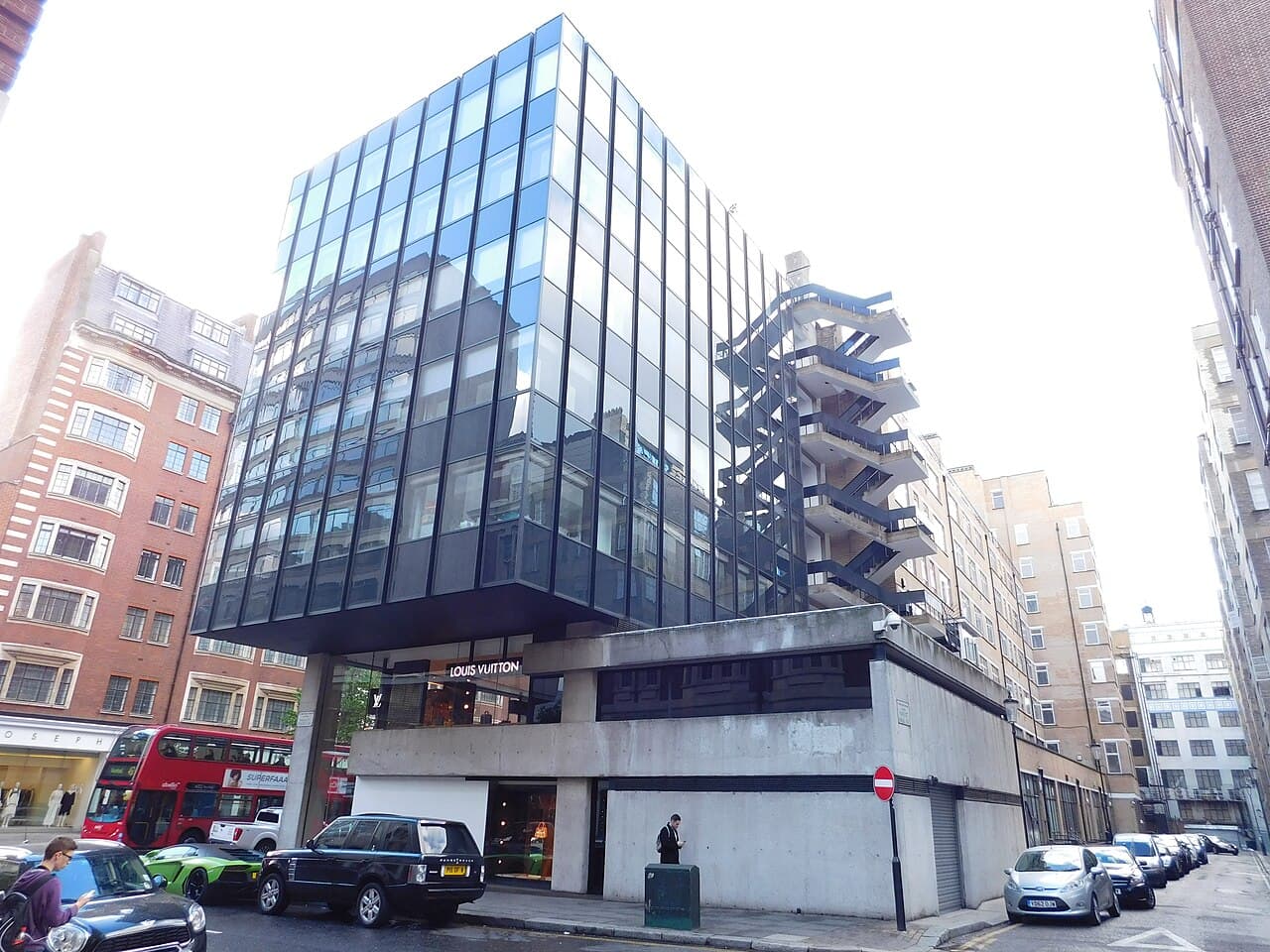
1965190–192 Sloane Street
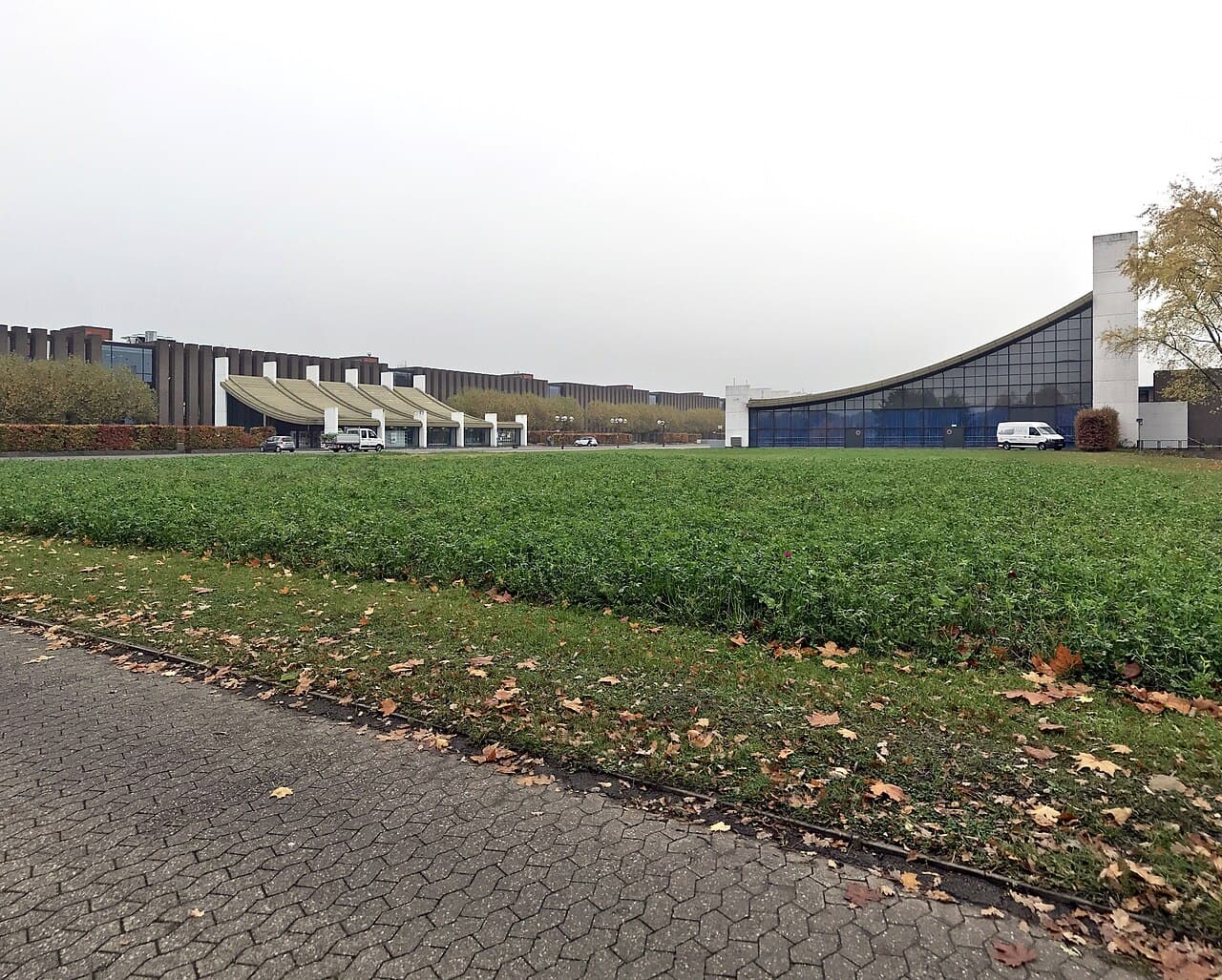
1966Forum Castrop-Rauxel
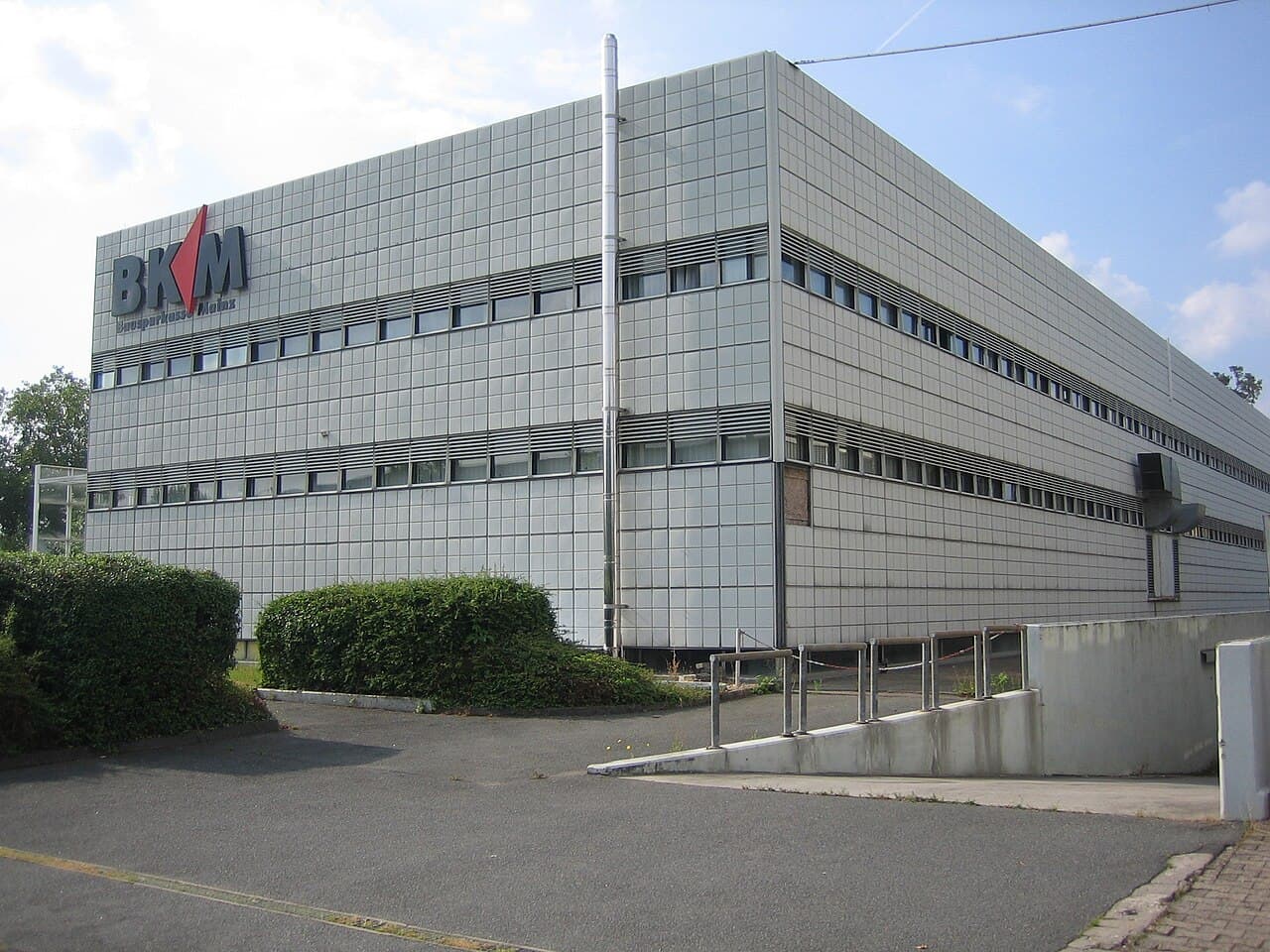
1969Arne-Jacobsen-Bau in Mainz-Hartenberg/Münchfeld
1969Überseering 12
1970Rødovre Library

All works

Søholm Row Houses

Søholm Row Houses

Rødovre Town Hall

Rødovre Town Hall

1956

Munkegaard School

Munkegaard School

1957

Untitled

Untitled

Radisson Collection Royal Hotel

Radisson Collection Royal Hotel

Danish National Bank

Danish National Bank

1978

Rothenborg House

Rothenborg House

1930

190–192 Sloane Street

190–192 Sloane Street

1965

Skovshoved Petrol Station

Skovshoved Petrol Station

1936

Bellavista housing estate

Bellavista housing estate

1934

Rudersdal Town Hall

Rudersdal Town Hall

1942

Arne Jacobsen’s own house in Charlottenlund

Arne Jacobsen’s own house in Charlottenlund

1931

Stelling House

Stelling House

1937

Arne-Jacobsen-Bau in Mainz-Hartenberg/Münchfeld

Arne-Jacobsen-Bau in Mainz-Hartenberg/Münchfeld

1969

Rødovre Library

Rødovre Library

1970

Überseering 12

Überseering 12

1969

Aarhus City Hall

Aarhus City Hall

1941

Bellevue Teatret

Bellevue Teatret

1936

Forum Castrop-Rauxel

Forum Castrop-Rauxel

1966

Rathaus Mainz

Rathaus Mainz